
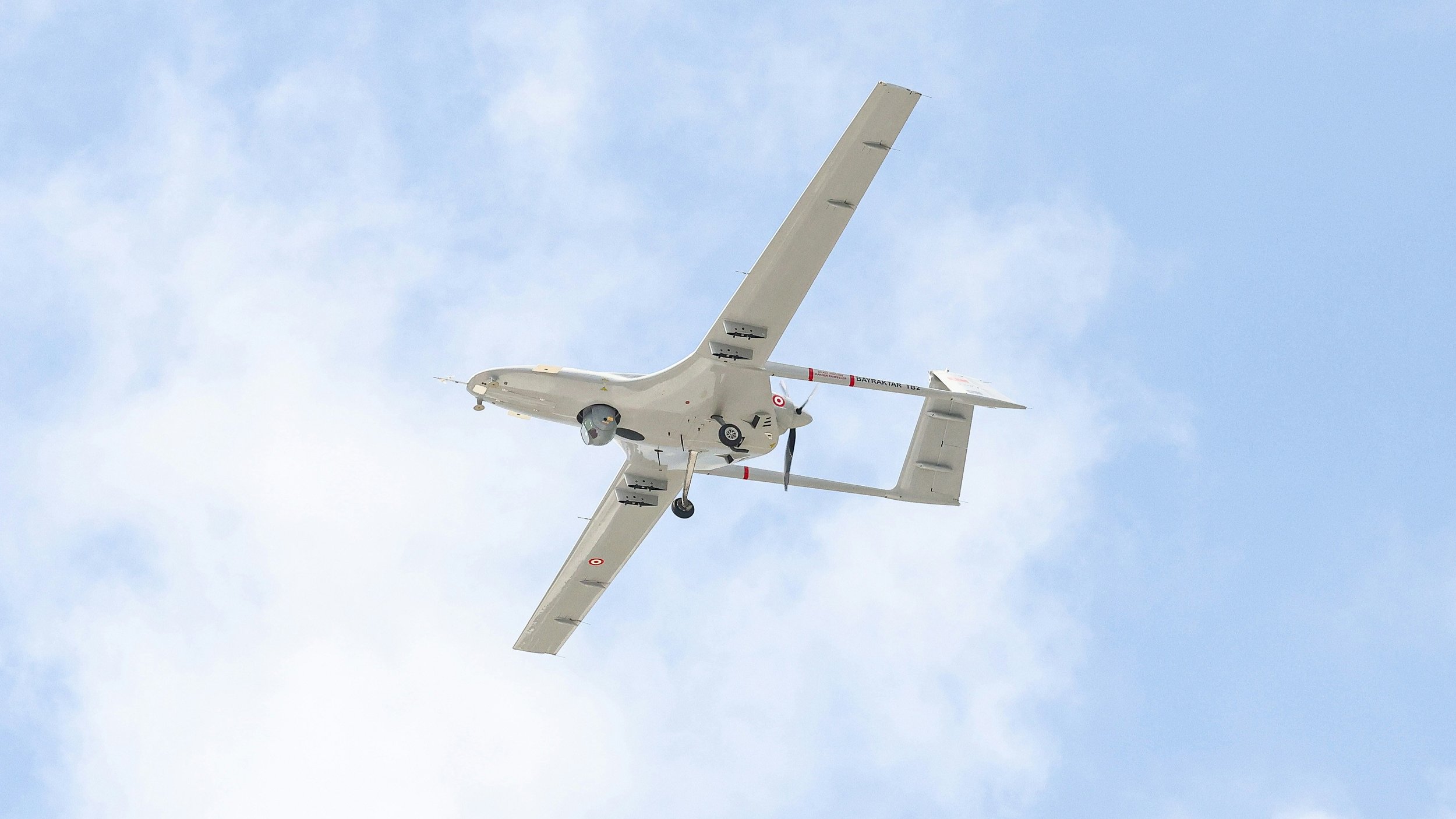
AERONAUTICS
Experience efficient and cost-effective training with our Drone (UAV) Simulator. Designed to train pilots in a safe environment, the system combines 3D simulation, a progressive pedagogical approach, and objective performance evaluation.
Students progress from basic maneuvers to complex missions in realistic scenarios, including Line of Sight (LOS) and First Person View (FPV) operations. The simulation is based on real-world physics and aircraft specifications, incorporating environmental factors such as wind, altitude, and gravity for an accurate flight experience.
The system includes detailed performance metrics and operator reports, enabling the identification of improvement areas and supporting competency certification in accordance with FAA and other international standards.
Immersive and Interactive: “Near-real” training with 3D simulation and realistic scenarios.
High-Fidelity Models: Flight physics combined with environmental variables for greater accuracy.
Evaluation and Reporting: Objective metrics and pilot progress tracking through the LMS.
Progressive Training: From basic operations to advanced missions (manual and autonomous).
Versatility: Multirotor, fixed-wing, and VTOL aircraft; individual or group training.
Objectives
Optimization and standardization of pilot training.
Efficient use of time and resources, reducing risk and operational costs.
Decision-making support and continuous improvement through analytics.
Performance evaluation, reporting, and competency certification.
Characteristics
Standard
Intermediate
Advanced
Virtual Reality (available in the advanced version)
Augmented Reality (based on configuration/project requirements)
Types of Simulators
DRONE SIMULATOR
Experience a comprehensive training system designed to develop essential drone piloting skills in a safe environment. The solution integrates simulation software, LMS e-learning, and control tools, guiding students from operational fundamentals to realistic mission-based scenarios.
Training follows a progressive structure that includes basic practice, LOS/FPV exercises, and applied scenarios such as inspection, aerial photography, and reconnaissance. The system also allows experienced pilots to refine and enhance their operational skills.
The platform includes performance evaluations and reporting tools for continuous monitoring and improvement, supporting training aligned with international standards and the development of verifiable competencies.
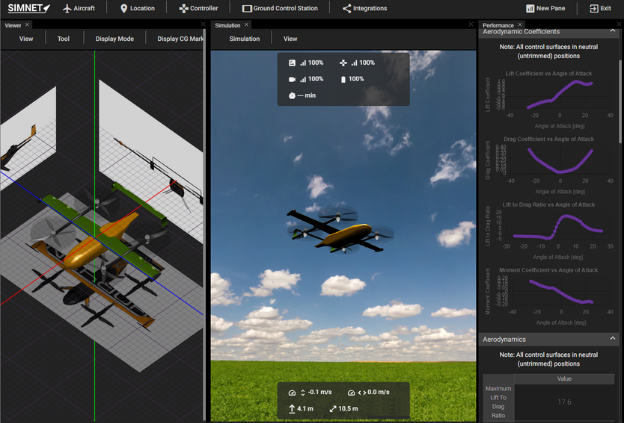
Drone Simulator software
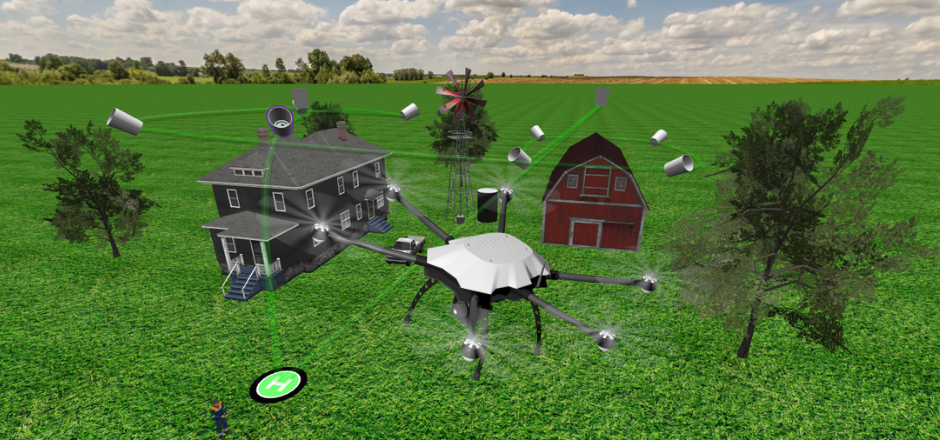
Drone Simulator software
Drone Simulator’s Main Features
Aircraft Autopilot (ArduPilot / compatible with specialized training)
Ground Control Station (GCS) (Mission Planner / autonomous missions)
Manual Operation and Autonomous Missions
LOS (Line of Sight) and FPV (First Person View)
Multiple Aircraft Types: Multirotor, Fixed-Wing, and VTOL
Multiple Sensor Types (depending on aircraft and scenario)
Multiple Scenarios and Atmospheric Conditions
Geo-Specific and Geo-Typical Areas (satellite imagery; internet required for geo-specific locations)
Virtual Reality (advanced version)
Performance Reports and LMS Integration
Based on real-world physics and aircraft specifications, the simulator accurately replicates how pilots control drones while incorporating external factors such as wind, altitude, and gravity. This provides a realistic, immersive, and safe training environment to build skills and operational confidence.
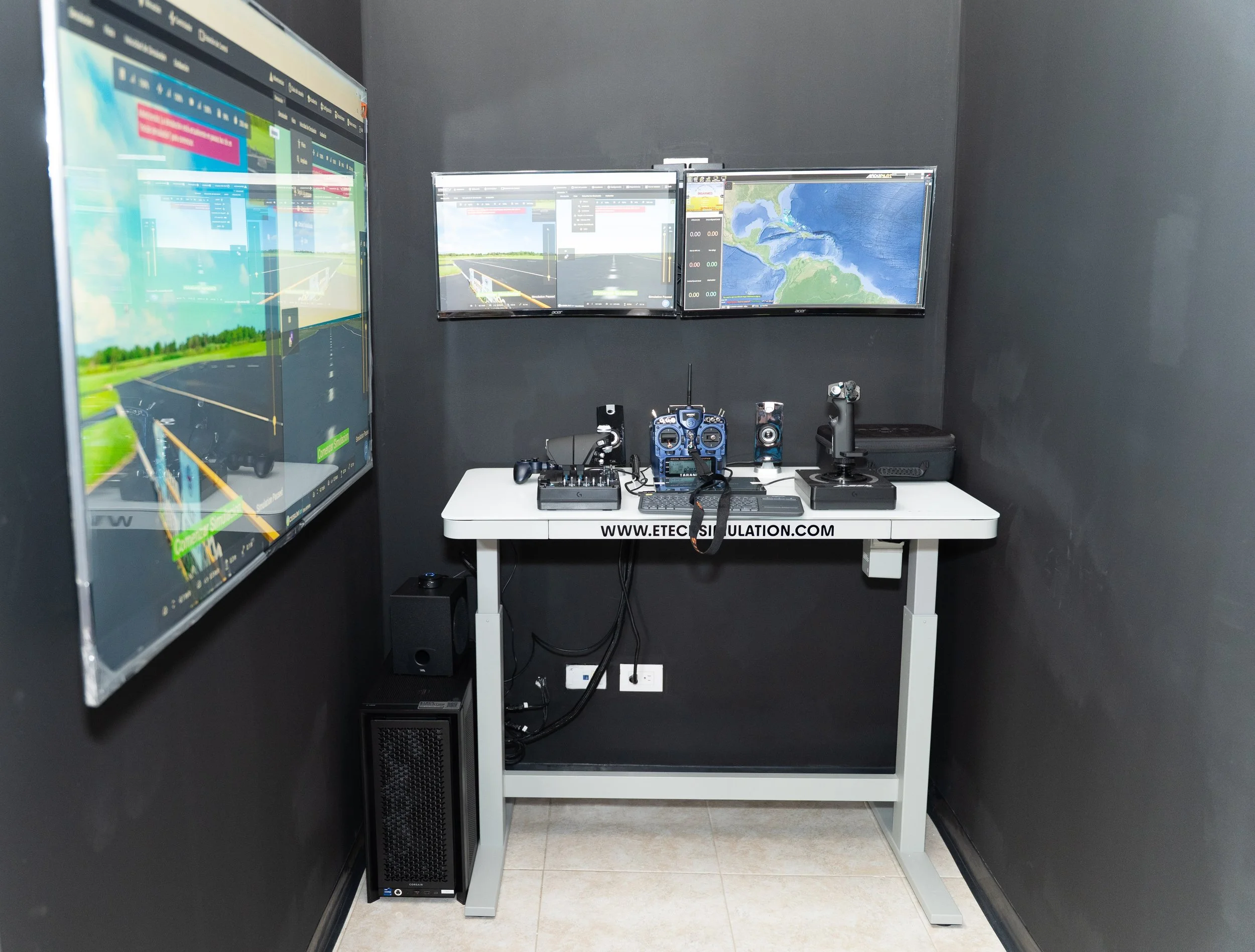
Drone Simulator hardware
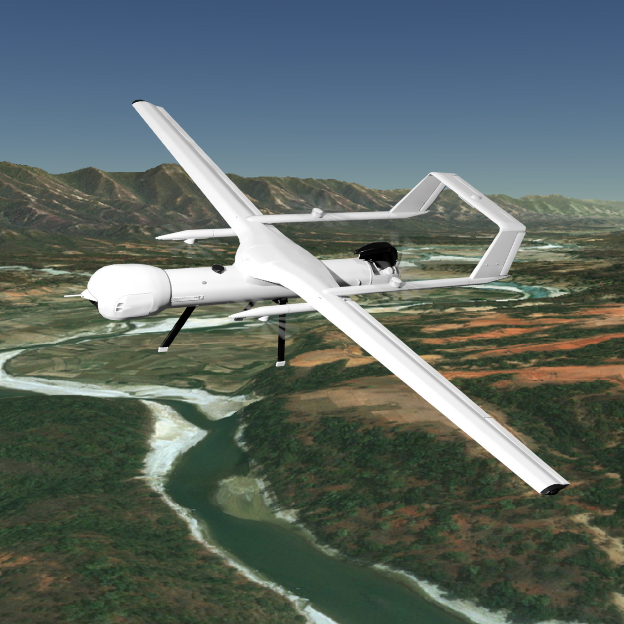
Drone Simulator software